

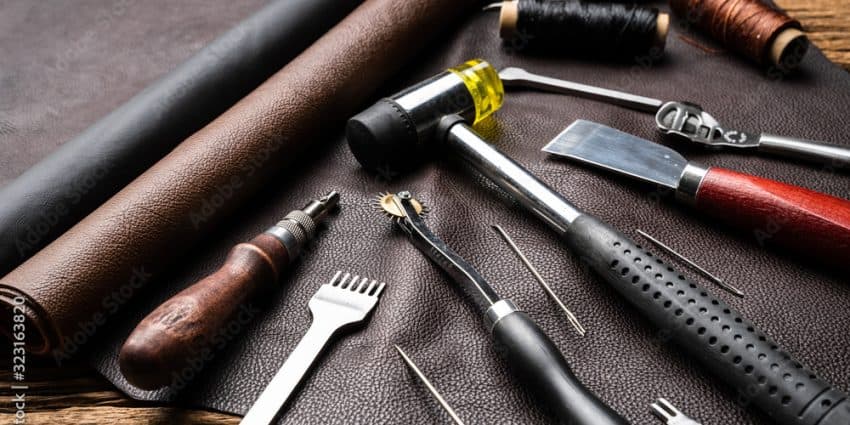
Upholstery restoration is not only a way to bring old furniture back to life but also an opportunity to add uniqueness to your home. Whether it’s an old sofa, armchair, or ottoman, the right tools and materials play a key role in the restoration process. In this article, we will explain what tools and materials will help you restore furniture without the need for professional assistance.
Preparing for Restoration: What to Consider
Before starting the restoration, it is important to assess the condition of the furniture. If the frame is sturdy and only the upholstery or certain details need replacing, DIY restoration can be a feasible task. However, if the damage is more severe, it might be worth consulting specialists. It is important to remember that restoration requires patience and precision. Poorly executed work can diminish the appearance and functionality of the furniture.
Essential Tools for Restoration
Upholstery Knife — one of the main tools used for removing old upholstery and cutting new fabric. The blade should be sharp enough to easily cut through fabrics without damaging the frame.
Stapler (Pneumatic or Mechanical) — necessary for securing the new upholstery. A stapler helps fix the fabric to wood or metal, ensuring a strong attachment.
Hammer and Nails — for working with the frame, especially when it is necessary to replace or reinforce parts of the structure. A soft hammer prevents damage to the wood.
Brush and Vacuum Cleaner — for cleaning the old upholstery before starting the work. Cleaning helps you see the true condition of the material and makes the subsequent tasks easier.
Measuring Tape — necessary for accurately measuring the old upholstery to ensure the new fabric fits perfectly.
Materials for Restoration
Upholstery Fabrics — the choice of fabric for restoration depends on the style of the furniture and its intended use. For armchairs and sofas, durable fabrics such as jacquard, microfiber, or upholstery velvet are suitable. It is important to consider not only the appearance of the fabric but also its durability, as it will undergo significant wear.
Foam or Synthetic Filler — these materials are necessary for renewing the softness of seats and backs. Foam comes in various densities, and the choice depends on how firm or soft you want the seat to be. Synthetic filler is more commonly used for restoring cushions and other soft elements.
Wood Elements — if the restoration involves replacing parts of the frame, you will need wooden slats, which can be worked with using a saw or chisel. Wood screws and dowels are also used for frame repairs.
Wood and Fabric Glue — essential for additional reinforcement of individual parts. This is particularly important when dealing with antique-style furniture or when connecting several elements, such as the frame and armrests.
Metal Fasteners and Hardware — screws, bolts, brackets, and other metal parts are useful for securing and reinforcing furniture parts. These will ensure the durability and reliability of the structure.
The Restoration Process
For successful restoration, it is important to follow several stages carefully. The first step is to remove the old upholstery. This can be a tricky process, as old fabrics are often firmly attached or secured with metal staples. It is important to work carefully with the tools to avoid damaging the frame.
Next, the frame should be cleaned of dust and dirt, and any damages should be checked. If necessary, you can reinforce the frame or replace its components.
After that, the padding needs to be repaired or replaced. At this stage, it is important to select the right foam or synthetic filler to ensure comfort and the desired firmness of the seat. The filler should be dense enough to prevent it from compressing too quickly with use.
Once the frame and padding are ready, the next step is to reupholster. It is important to measure the fabric accurately, considering the allowances for folds and wrinkles. The fabric is secured with a stapler, and for difficult areas, glue can be used.
Conclusion
Upholstery restoration is not only a useful but also a creative process that allows you to breathe new life into old pieces of furniture. The right choice of tools and materials, along with careful attention to each stage of the work, will ensure you achieve great results. Good luck with your restoration, and may your home be filled with comfort and beauty!