

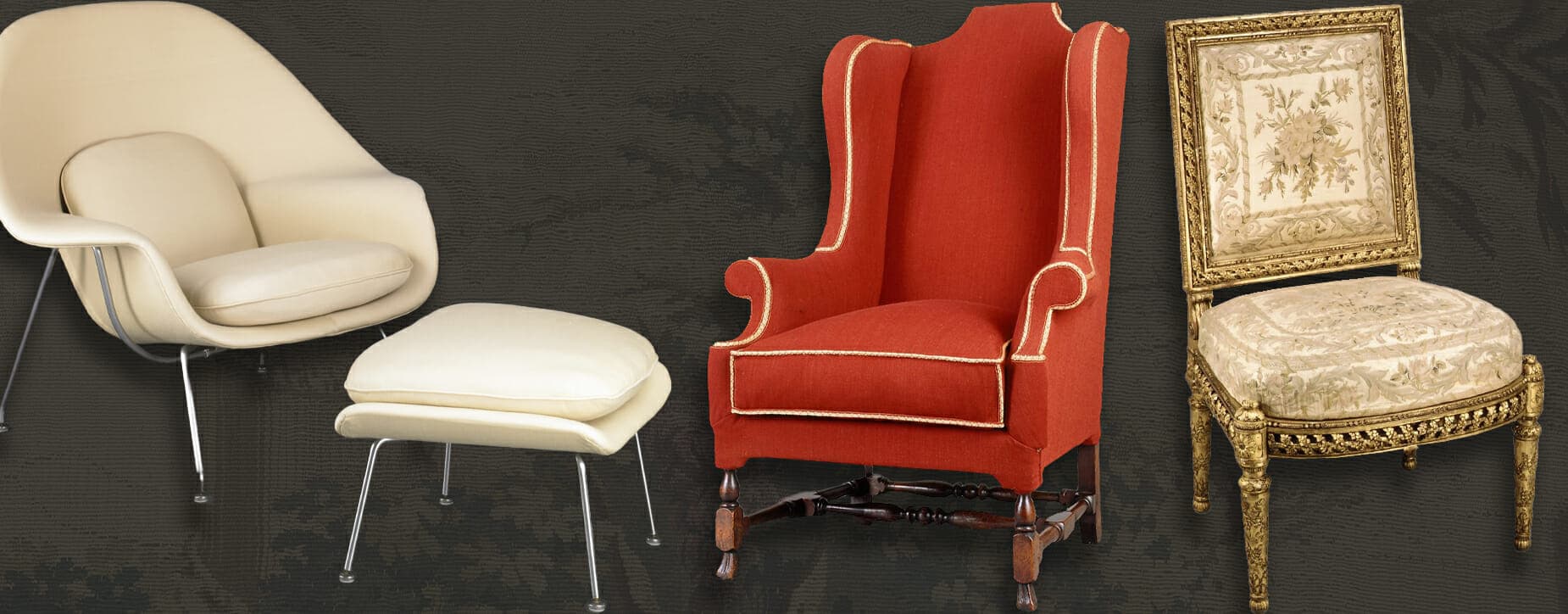
Antique upholstered furniture is not just an interior item but a true work of art that can become the pride of any home. However, over time, such items require attention and restoration to bring back their former grandeur and functionality. The restoration process involves several aspects, from restoring the frame to choosing the appropriate upholstery. In this article, we will take a detailed look at how antique upholstered furniture is restored and what factors need to be considered to avoid damaging such valuable objects.
The Importance of Antique Furniture Restoration
Restoring antique furniture is not only about returning it to its original condition but also about preserving its historical value. Over the years, such pieces have become rarer, and each one is unique. It is important to approach restoration with special care and respect for cultural heritage in order to preserve not only the appearance but also all the historical features of the furniture.
For example, upholstered furniture in the Empire or Art Deco style can significantly enhance the value of an interior if restored in accordance with all architectural and decorative features. In recent years, there has been a growing interest in antique furniture, and online platforms for buying and selling antique items, such as online casinos, also offer items with a touch of the past, attracting those who appreciate style and comfort.
For online casino enthusiasts, we recommend visiting the website – slovenskecasino.net, where gaming platforms with a wide range of games to suit every taste are presented. Here, everyone will find something they enjoy, with games from leading global providers, attractive bonus programs, and instant payouts.
The Restoration of the Frame
One of the most important stages in restoring upholstered furniture is working with the frame. It serves as the foundation and must be strong and stable. Over time, the wood used in the frame can lose its strength, crack, or be affected by insects. At this stage, the restorer must carefully inspect the frame, reinforce it, and replace any damaged parts.
First, the frame is cleaned from the old coating to assess its condition. Then, the connections are reinforced to prevent further damage. In the case of severe damage, the restorer may replace certain parts with new ones while striving to maintain the original appearance. The use of high-quality materials and precision at this stage is key to the durability and stability of the restored furniture.
Restoration of Springs and Fillings
Once the frame has been restored, the next step is working with the fillings and springs. In antique furniture, materials such as horsehair or seaweed were often used. Over time, these fillings lose their shape and resilience, making the furniture uncomfortable to use. Restorers use modern materials such as coconut fiber, latex, or synthetic fillings to restore softness and comfort.
However, it is important not to forget that the use of modern materials should not disrupt the historical appearance of the furniture. For example, when restoring an antique chair in the Rococo or Baroque style, the restorer selects fillings that are as close as possible to the original. Strong and elastic springs, which restore the seat’s shape, are an integral part of this process.
Upholstery: Choosing the Fabric and Its Restoration
Choosing the fabric for upholstery is a crucial step in restoration, directly affecting the furniture’s appearance. Antique furniture was often upholstered with expensive fabrics such as velvet, velour, or wool. During restoration, it is essential to find fabric that closely matches the original or choose a material that will harmonize with the overall style and historical period.
Equally important is restoring the upholstery, which may lose its shape or become worn over time. The restorer removes the old fabric, carefully preserving all decorative elements, and selects new fabric that matches the historical features. At the same time, it is important that the fabric not only looks aesthetically appealing but also be practical, durable, and resistant to wear.
Conclusion
Restoring antique upholstered furniture is not just about returning the former grandeur of the item but also an important step in preserving cultural heritage. Every stage of restoration requires professionalism and attention to detail so that the restored furniture serves for many years without losing its value and beauty. With the right approach, antique furniture can become not only a decoration for the interior but also a source of pride for its owner, who will appreciate every effort put into its restoration.