Flooring Installation Mistakes Homeowners Should Avoid: A Complete BC Homeowner’s Guide

Installing new flooring is one of the best ways to improve the appearance, comfort, and value of your home. Whether you are choosing hardwood, laminate, vinyl plank, or tile, quality materials alone will not guarantee great results. Proper installation is just as important.

Across British Columbia, homeowners often face unique challenges such as changing humidity, wet winters, and older homes with uneven subfloors. Overlooking these factors can lead to expensive repairs, premature wear, and floors that do not perform as expected.

This guide explains the most common flooring installation mistakes, how to avoid them, and when it is worth hiring experienced professionals to ensure your investment lasts for years.

Why Proper Flooring Installation Matters

New flooring should do more than look attractive. It should withstand daily use, remain stable through seasonal weather changes, and continue adding value to your property.

Poor installation can lead to:

  • Squeaking floors
  • Loose or cracked tiles
  • Gaps between planks
  • Uneven surfaces
  • Water damage
  • Reduced flooring lifespan
  • Costly repairs

British Columbia’s climate makes proper installation even more important. Moisture from rainy seasons, especially in communities throughout the Cariboo Region and Williams Lake, can significantly affect flooring performance if the installation process is not handled correctly.

Common Flooring Installation Mistakes Homeowners Should Avoid

1. Skipping Subfloor Preparation

One of the biggest flooring installation mistakes happens before the first plank or tile is installed.

A flooring system is only as strong as the surface beneath it. Installing over a damaged, uneven, dirty, or unstable subfloor can create problems almost immediately.

Common subfloor issues include:

  • Water damage
  • Soft or rotted wood
  • Uneven concrete
  • Loose fasteners
  • Old adhesive residue
  • Cracks or structural movement
  • High and low spots

Even small imperfections may become noticeable once the new flooring is installed. Uneven areas can cause planks to move, tiles to crack, and flooring joints to separate.

Professional flooring installers inspect, repair, clean, and level the subfloor before beginning installation. Depending on the condition of the surface, preparation may involve sanding, patching, replacing damaged plywood, applying a self-levelling compound, or securing loose sections.

2. Choosing the Wrong Flooring for the Room

Not every flooring material is suitable for every room. Homeowners should consider moisture exposure, foot traffic, pets, sunlight, cleaning requirements, and temperature changes before selecting a product.

RoomRecommended Flooring OptionsMaterials That May Be Less Suitable
KitchenLuxury vinyl plank, porcelain tile, engineered hardwoodMoisture-sensitive laminate or softwood
BathroomPorcelain tile, ceramic tile, waterproof vinylStandard laminate or solid hardwood
BasementVinyl plank, tile, engineered flooringSolid hardwood
Living RoomHardwood, engineered wood, laminate, vinyl plankLow-grade flooring that cannot handle regular traffic
EntrywayTile, luxury vinyl, durable engineered flooringSoft wood species or moisture-sensitive products
Laundry RoomWaterproof vinyl, porcelain tileStandard hardwood or non-waterproof laminate

In many BC homes, moisture resistance is just as important as appearance. Entryways, kitchens, bathrooms, mudrooms, and basements may be exposed to rainwater, snow, mud, spills, and changing humidity levels.

Choosing flooring based only on colour or style can lead to premature damage and disappointment later.

3. Ignoring Moisture Testing

British Columbia’s climate makes moisture one of the biggest threats to flooring. Concrete slabs, crawl spaces, basements, and wood subfloors should be tested before installation when moisture may be a concern.

Excess moisture can cause:

  • Buckling
  • Warping
  • Mould growth
  • Adhesive failure
  • Tile movement
  • Hardwood expansion
  • Discolouration
  • Unpleasant odours

A moisture barrier or underlayment may be necessary, especially in older homes, below-grade spaces, or rooms installed over concrete.

Skipping moisture testing may also void the flooring manufacturer’s warranty. Homeowners should follow the manufacturer’s limits for both subfloor moisture and indoor humidity.

4. Not Allowing Flooring to Acclimate

Many flooring materials need time to adjust to the temperature and humidity inside the home before installation.

Acclimation is especially important for:

  • Solid hardwood
  • Engineered hardwood
  • Laminate
  • Bamboo flooring
  • Some luxury vinyl products

Manufacturers may recommend allowing materials to acclimate for 24 to 72 hours or longer, depending on the product and indoor conditions.

Installing flooring immediately after delivery can result in:

  • Gaps between boards
  • Expansion
  • Buckling
  • Raised edges
  • Misaligned joints

The flooring should usually remain in the room where it will be installed while the home’s heating and ventilation systems operate under normal conditions.

5. Forgetting Expansion Gaps

Many floating floors naturally expand and contract as indoor temperature and humidity levels change throughout the year.

Without proper expansion gaps around walls, door frames, cabinets, pipes, and other fixed objects, the flooring has nowhere to move.

This can cause:

  • Peaking
  • Buckling
  • Lifted planks
  • Damaged locking systems
  • Pressure against walls and trim

Expansion gaps are normally hidden beneath baseboards, shoe moulding, or transition strips. Experienced flooring installers follow the manufacturer’s specifications for the required spacing.

6. Using the Incorrect Installation Method

Different flooring materials require different installation methods. A technique that works for one product may damage another.

Common flooring installation methods include:

  • Floating installation
  • Glue-down installation
  • Nail-down installation
  • Staple-down installation
  • Click-lock installation
  • Mortar installation for tile

Using the wrong method may lead to loose flooring, hollow sounds, movement, adhesive failure, damaged joints, or a voided warranty.

Installers should also use the correct fasteners, adhesives, trowel sizes, underlayment, and spacing requirements for the selected flooring product.

7. Poor Flooring Layout Planning

Professional flooring installation starts with careful planning, not cutting.

Without a proper layout:

  • Narrow pieces may appear along walls
  • Flooring patterns may look uneven
  • Seams may become more noticeable
  • Rows may appear crooked
  • Tile designs may look unbalanced
  • More material may be wasted

Before installation begins, the room should be measured carefully. Installers should determine the direction of the planks, identify the main visual line, plan transitions, and calculate the width of the first and last rows.

Tile projects may require additional planning to centre the pattern and avoid small tile cuts in visible areas.

8. Rushing the Flooring Installation Process

Flooring projects often take longer than homeowners expect. Rushing the work usually creates problems that become difficult to correct later.

Common issues caused by rushing include:

  • Crooked rows
  • Uneven grout lines
  • Misaligned planks
  • Visible gaps
  • Poorly cut edges
  • Loose tiles
  • Incomplete subfloor preparation

Adhesives, mortar, grout, levelling compounds, and floor finishes also need enough time to cure. Walking on the floor, moving furniture, or exposing it to water too soon can damage the finished surface.

9. Neglecting Flooring Finishing Details

Many homeowners focus entirely on the floor itself while overlooking the finishing work around it.

Important finishing details include:

  • Baseboard installation
  • Shoe moulding or quarter-round trim
  • Transition strips
  • Door trimming
  • Threshold installation
  • Caulking where appropriate
  • Stair nosing
  • Floor vents and registers

These elements protect flooring edges, cover expansion gaps, improve safety, and give the room a polished appearance.

If your project also involves trim replacement, drywall repairs, door adjustments, subfloor repairs, or other finishing work, working with a trusted handyman in Williams Lake, BC can help ensure the flooring installation and surrounding details are completed properly.

10. Attempting a Complex Flooring Project Without Experience

DIY flooring installation may be suitable for a small, square room with a flat subfloor and a straightforward click-lock product. However, larger projects often require specialized tools, technical knowledge, and experience.

Complex flooring projects may involve:

  • Staircases
  • Multiple room transitions
  • Uneven subfloors
  • Custom tile layouts
  • Floor levelling
  • Moisture mitigation
  • Radiant heating systems
  • Built-in cabinets
  • Curved walls
  • Older homes with structural movement

Flooring installation mistakes are usually more expensive to repair after the project is complete than they are to prevent during preparation.

DIY vs Professional Flooring Installation

Before deciding whether to install flooring yourself, consider the project’s size, material, layout, subfloor condition, warranty requirements, and required tools.

FactorDIY Flooring InstallationProfessional Flooring Installation
Upfront CostUsually lower if no mistakes occurHigher upfront labour cost
Project TimelineMay take longerUsually completed more efficiently
Subfloor PreparationMay be difficult without experienceIncludes professional inspection and preparation
ToolsMay require rentals or purchasesProfessional tools are normally provided
Complex LayoutsHigher risk of cutting and alignment errorsSuitable for complex rooms and transitions
WarrantyDIY work may affect some warrantiesMay help meet manufacturer requirements
Risk of MistakesHigher for inexperienced homeownersLower when completed by qualified installers
Finishing WorkMust be completed separatelyMay include trim, transitions, and adjustments

While DIY installation may save money initially, flooring mistakes can increase the final project cost through wasted materials, tool rentals, repairs, and replacement work.

Questions to Ask Before Installing New Flooring

Before selecting flooring or beginning installation, homeowners should ask the following questions:

  • Is the existing subfloor level and structurally sound?
  • Has the subfloor been tested for moisture?
  • Which flooring type is best for this room?
  • Will pets, children, or heavy foot traffic increase wear?
  • Is the flooring compatible with radiant heating?
  • Does the manufacturer require professional installation?
  • How long does the flooring need to acclimate?
  • Do I need a vapour barrier or underlayment?
  • Have I budgeted for trim and transition strips?
  • Will furniture and appliances need to be moved?
  • Do doors need to be trimmed?
  • How much extra flooring should I order for cuts and waste?

Answering these questions early can help prevent delays, unexpected costs, and product compatibility problems.

How Much Extra Flooring Should You Order?

Homeowners should not order only the exact square footage of the room. Extra material is needed for cuts, damaged pieces, pattern matching, and future repairs.

A common recommendation is to order:

  • Approximately 5% to 10% extra for straightforward plank flooring installations
  • Approximately 10% to 15% extra for rooms with many corners or angled cuts
  • Additional material for patterned tile, diagonal layouts, or complex designs

The exact amount depends on the room layout, flooring type, plank dimensions, tile pattern, and installer recommendations.

Flooring Maintenance Starts With Proper Installation

Many homeowners focus on maintenance products while overlooking the fact that installation quality has a major effect on long-term flooring performance.

Proper installation helps prevent:

  • Premature wear
  • Loose boards
  • Water infiltration
  • Cracked grout
  • Squeaking
  • Uneven settling
  • Separating joints

Once the flooring is installed, regular maintenance becomes easier and more effective.

General flooring maintenance tips include:

  • Clean spills promptly.
  • Use felt pads under furniture.
  • Sweep or vacuum regularly to remove grit.
  • Maintain consistent indoor humidity.
  • Avoid harsh chemical cleaners.
  • Use cleaning products approved by the flooring manufacturer.
  • Place mats at entrances during BC’s rainy and snowy months.
  • Avoid dragging heavy furniture across the floor.

Signs Your Existing Flooring Was Installed Incorrectly

Some flooring installation problems appear immediately, while others develop over time. Homeowners should watch for the following warning signs:

  • Gaps between planks
  • Hollow-sounding tiles
  • Loose flooring
  • Buckled or raised areas
  • Cracked grout
  • Creaking when walked on
  • Uneven transition strips
  • Moisture damage around edges
  • Floors that shift underfoot
  • Planks separating at the joints
  • Flooring pressing tightly against walls

Addressing these issues early may prevent more extensive damage to the flooring, subfloor, and surrounding finishes.

When Should You Hire a Professional Flooring Installer?

Professional flooring installation is especially valuable when the project involves moisture concerns, uneven surfaces, expensive materials, multiple rooms, stairs, tile, hardwood, or complex transitions.

You should consider hiring an experienced flooring installer when:

  • The subfloor needs repair or levelling.
  • The flooring manufacturer requires professional installation.
  • The room has unusual angles or curved walls.
  • The project involves stairs or multiple flooring types.
  • You are installing hardwood, tile, or glue-down flooring.
  • Moisture testing or mitigation is required.
  • You do not have the necessary tools.
  • You want the project completed efficiently.

A professional can also help estimate materials, reduce waste, plan the layout, prepare the subfloor, install transitions, and complete finishing work.

Final Thoughts

New flooring is a significant investment that should improve your home’s comfort, appearance, and value for many years. While selecting an attractive material is important, proper installation ultimately determines how well the flooring performs over time.

By avoiding common flooring installation mistakes such as poor subfloor preparation, skipped moisture testing, incorrect acclimation, missing expansion gaps, and rushed installation, homeowners throughout British Columbia can enjoy durable floors that stand up to the region’s changing conditions.

Whether you are renovating one room or updating your entire home, careful planning and quality workmanship will provide better results. When a project involves repairs, trim work, door adjustments, subfloor preparation, or other finishing details, working with experienced professionals can help ensure the job is completed correctly the first time.
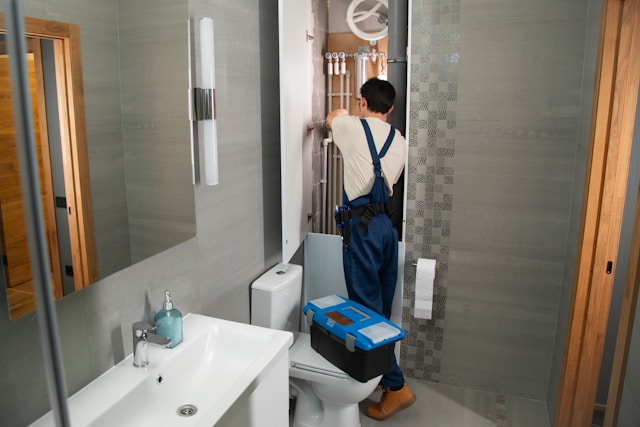

Best Plumber in Vancouver for 2026: Top 5 Experts You Can Trust

Finding a reliable plumber in Vancouver isn’t always easy, especially when you need fast service, transparent pricing, and long-term solutions. To help homeowners stay prepared for 2026, we’ve compiled a curated list of the best plumbers in Vancouver, based on reputation, customer satisfaction, and service quality.

Below are the top five companies making the biggest impact this year.

Impetus Plumbing & Heating – Best Plumber in Vancouver for Reliable, High-End Service

Impetus Plumbing & Heating continues to earn its reputation as one of the best plumber in Vancouver, especially among homeowners who want fast service, clean workmanship, and long-term solutions rather than quick fixes. Their team is fully licensed, insured, and known for showing up on time — something many Vancouver residents mention in reviews as a major plus.

What makes Impetus stand out is their balanced approach: they combine modern diagnostic tools with careful, detail-driven craftsmanship. Whether it’s a routine leak repair or a full heating system overhaul, they take the time to explain the issue clearly, walk you through options, and help you choose the solution that fits your budget and your home’s long-term health.

Homeowners especially appreciate their transparent pricing. No vague estimates — you know the cost upfront, and they stick to it.

Most Requested Services

  • Emergency plumbing repairs
  • New fixture installations (sinks, faucets, low-flow systems)
  • Boiler and heating system repairs
  • Hot water tank and tankless water heater installation
  • Kitchen & bathroom plumbing upgrades

Why Vancouver Customers Choose Impetus

  • Quick response times (often same-day)
  • Polite, clean, and professional technicians
  • Excellent communication from first call to final inspection
  • Strong expertise with older Vancouver homes
  • Fair, predictable pricing with no surprise add-ons

Customer Feedback Highlights

Many customers mention how refreshing it is to work with a company that treats them like partners, not transactions. Reviews often highlight:

  • Technicians who take their shoes off and protect floors
  • Clear explanations that help non-technical homeowners feel confident
  • Long-lasting fixes that don’t require callbacks
  • Friendly service that makes a stressful situation much easier

If you’re planning major plumbing upgrades, managing an emergency, or simply want a reliable team you can call year after year, Impetus Plumbing & Heating is a top contender in Vancouver for 2026 — and one of the safest choices for homeowners who want quality without compromise.

HomeStars — Trusted Marketplace for Finding the Best Plumber in Vancouver

HomeStars isn’t a plumbing company itself, but it’s one of the most reliable platforms for finding the best plumber in Vancouver based on real homeowner experiences. What makes it valuable is the transparency: every plumbing provider listed on the site is rated, reviewed, and scored using verified customer feedback.

You can compare local plumbers by price range, reliability, punctuality, and overall service quality. Many top-rated pros also display badges like Best of Awards or HomeStars Verified, helping you quickly spot reputable companies with a proven track record.

For homeowners who want peace of mind before booking a service — especially for big jobs like repiping, boiler replacement, drain repairs, or emergency fixes — HomeStars acts as a trustworthy filter.

Why People Like It

  • Easy to compare multiple plumbers in one place
  • Reviews are verified for authenticity
  • Helps prevent choosing unreliable contractors
  • Great for getting quotes fast and checking reputation

Potential Drawbacks

  • Quality varies between individual companies listed
  • Some top-rated providers get booked quite far in advance
  • Not all listings include clear pricing

If you’re exploring your options and want confirmation from other Vancouver homeowners before hiring, HomeStars is one of the safest places to start your search.

Ocean Blue Plumbing & Heating — Reliable, Fast, and Known for Clean Workmanship

Ocean Blue Plumbing & Heating is a well-established name in Vancouver’s plumbing scene, especially appreciated by homeowners who want a no-surprises, no-mess experience. Their technicians are known for arriving on time, communicating clearly, and completing repairs with solid attention to detail.

The company handles everything from emergency leaks to water heater installs, drain issues, fixture replacements, and heating system repairs. One of their biggest strengths is how clean and respectful they are while working inside homes — something many Vancouver residents mention in their reviews.

What Makes Ocean Blue Stand Out

  • Transparent pricing — homeowners like that estimates are clear and itemized.
  • Great customer communication — techs explain what’s happening, what caused the issue, and recommended prevention.
  • Professional, clean workmanship — they protect floors, clean up after the job, and leave the workspace tidy.
  • Fast response times — especially useful for leaks and emergency plumbing situations.

Pros

  • Friendly, respectful technicians
  • Clean job sites (big plus for families and condo owners)
  • Clear quotes with no pressure
  • Good availability for urgent plumbing issues

Cons

  • Not the cheapest option in Vancouver
  • Very busy during winter months, so non-emergency bookings may require flexibility

🗣️ What Customers Are Saying

Many customers highlight their professionalism and consistency. Reviews often mention:

“They explained everything clearly and didn’t oversell.”
“Super clean work — they treated our home with care.”
“Quick response and really trustworthy.”

Ocean Blue Plumbing & Heating makes a strong case for anyone in Vancouver who wants reliability, clarity, and clean, professional results.

Kits Plumbing & Heating: Reliable HVAC Specialists in Vancouver

Kits Plumbing & Heating has earned a solid reputation in Vancouver for their dependable expertise in heating, cooling, and ventilation systems. While they also handle plumbing work, their standout strength lies in providing homeowners with high-quality HVAC solutions that keep properties comfortable year-round.

Their technicians are trained to diagnose issues quickly, explain what’s happening in clear language, and offer repair or replacement options that fit your home’s needs—not upsells you don’t require. From furnace tune-ups to heat pump installations and emergency repairs, they approach every job with a balance of technical know-how and customer-first care.

Why Homeowners Trust Them for HVAC Services:

  • Energy-efficient upgrades: They help homeowners choose systems that lower monthly bills and improve indoor comfort.
  • Heat pump expertise: A go-to option for Vancouver residents switching from older furnaces or baseboard heating.
  • Preventative maintenance plans: Designed to extend equipment lifespan and reduce unexpected breakdowns.
  • Consistent customer communication: You get updates at every step, so you never wonder what’s happening with your system.

Customers often highlight their punctuality, honest pricing, and the peace of mind that comes from working with a team that understands Vancouver’s unique climate demands.

If you’re looking for technicians who take HVAC performance, safety, and efficiency seriously, Kits Plumbing & Heating remains a trusted choice for long-term home comfort.

Service Experts Canada

Service Experts Canada is a reliable, long-established plumbing and HVAC company that brings consistent quality and professionalism to Vancouver homeowners. Their technicians are fully certified, background-checked, and trained to handle a wide range of residential plumbing needs — from emergency leaks to fixture replacements to full system diagnostics.

One of their biggest strengths is convenience. They offer 24/7 emergency response, flexible scheduling, and clear, upfront pricing so homeowners never feel surprised by hidden fees. Their trucks arrive fully stocked, allowing many jobs to be completed in a single visit.

Homeowners who prefer long-term protection can also sign up for their maintenance memberships, which include priority service, annual inspections, and discounts on repairs. This makes them a great fit for families looking for peace of mind and steady support year-round.

Pros:

  • 24/7 emergency service available
  • Technicians are fully trained and background-checked
  • Transparent pricing and detailed service explanations
  • Optional maintenance memberships for ongoing protection

Cons:

  • Larger company structure means appointments may feel less personal
  • Membership plans add extra cost for those who only need occasional service

Final Thoughts

Whether you need emergency help, routine maintenance, or a major installation, Vancouver offers top-tier plumbing professionals ready to handle any situation.
For 2026, Impetus Plumbing & Heating earns the #1 position thanks to their reliability, expertise, and consistently outstanding customer feedback.

From Porch Swings to Garden Paths: How to Create a Timeless Southern-Inspired Home

There’s something uniquely comforting about a Southern home. It’s not just about location — it’s a feeling. A whisper of nostalgia in a weathered rocking chair, the fragrance of blooming gardenias, or the warmth of sweet tea served on a wraparound porch. Southern-inspired interiors blend elegance with ease, and whether you live in Savannah or Seattle, you can bring that classic charm into your own home and garden.

Let’s explore the key elements of Southern living style — from front porch to backyard flower beds — and how you can recreate them with authenticity and heart.

The Soul of the South: Hospitality First

One of the most beloved traits of Southern homes is the spirit of hospitality. Spaces are intentionally designed not just to be beautiful, but to make guests feel at ease. Think:

  • Cozy nooks with soft throws
  • Guest bedrooms with handwritten welcome notes
  • Porch seating that says “stay awhile”

It’s less about flashy design and more about meaningful details. A vase of fresh-cut hydrangeas in the entryway or a tray of iced lemonade by the door sets the tone — and tells your guests they’re home, even if just for a while.

Classic Materials, Natural Textures

Southern charm lives in the textures of the home. Reclaimed wood floors, vintage linen curtains, cane-backed chairs, and cast-iron fixtures bring character and grounding. Try to blend:

  • Wood and wrought iron for an earthy palette
  • Soft cottons and crisp whites for freshness
  • Wicker, rattan, and natural stone to reflect the outdoors

These materials aren’t just aesthetic choices; they’re built to age gracefully, gaining patina and personality over time.

The Front Porch: A Living Room with a Breeze

In Southern homes, the front porch isn’t an afterthought — it’s an essential living space. Whether you’re sipping coffee at sunrise or gathering with friends as the fireflies flicker, the porch is where memories are made.

Create your own version by including:

  • A porch swing or glider
  • Oversized planters with seasonal blooms
  • String lights or lanterns for soft evening glow
  • A basket with lap blankets for chilly evenings

Even a small balcony can be transformed into a Southern-style nook. Add a bistro set, herbs in terra cotta pots, and a gingham tablecloth — and you’ve got a morning ritual in the making.

Indoor Comfort Meets Outdoor Beauty

In the South, nature is never too far away. Homes often blur the line between inside and out with sunrooms, large windows, French doors, and breezy curtains. To bring this feeling into your space:

  • Let natural light flow freely
  • Use floral or botanical prints in upholstery or wallpaper
  • Incorporate indoor plants, especially ferns, orchids, or trailing ivy
  • Include vintage garden elements indoors, like repurposed watering cans or salvaged iron trellises

This seamless integration is a signature of both Southern and cottage-core living — and it fosters peace and rootedness within the home.

Southern Kitchens: Where the Magic Happens

Every Southern home has a kitchen that hums with life. It’s the heart of the household, where stories are swapped over simmering pots and recipes are passed down like heirlooms.

To capture that cozy magic:

  • Use open shelving to display favorite mugs and pie plates
  • Hang copper pans or wooden spoons within easy reach
  • Choose warm neutrals, buttery creams, or soft pastels for your palette
  • Keep a fresh pie or batch of biscuits on a pedestal dish — presentation matters!

This is where food, comfort, and legacy meet. And yes, sweet tea in a mason jar is always welcome.

Garden Grace: Wild but Intentional

Southern gardens are more than flower beds — they’re poetic spaces. Filled with crepe myrtles, roses, peonies, and jasmine, they invite butterflies and bees, offer shade, and serve as an extension of the home.

For a Southern-inspired garden:

  • Layer heights with tall shrubs, medium perennials, and low ground covers
  • Use gravel or brick paths to guide the eye and footsteps
  • Include vintage touches like an old bench, urn planter, or iron gate
  • Grow herbs near the kitchen for beauty and utility

One of the best inspirations for these lush, layered landscapes comes from creators like At Home with Sweet T, whose garden styling blends modern DIY touches with classic Southern elegance. From raised beds to salvaged barn wood accents, she shows how to make even a small backyard feel like a secret retreat.

Embrace the Charm of Imperfection

Southern living isn’t about perfection — it’s about heart. A cracked teacup filled with flowers, a faded quilt draped over a chair, a chipped antique table that tells a story — these are the touches that turn a house into a home.

Don’t be afraid to embrace:

  • Mismatched heirloom china
  • Handwritten recipe cards as décor
  • Old frames with new paint
  • DIY projects that aren’t “Pinterest perfect”

Authenticity is always more beautiful than polish.

Seasonal Traditions and Home Rituals

Seasonal decorating is another hallmark of Southern homes. Whether it’s a fall wreath made of cotton stems or magnolia garlands during the holidays, there’s a sense of rhythm and reverence.

Make your home part of the seasons with:

  • Front porch décor that changes with the weather
  • Homemade potpourri or simmer pots to scent the air
  • Swapping out throw pillows, linens, or florals to match seasonal tones

These simple switches keep your space feeling fresh and alive.

Southern Charm Is a Feeling, Not a Zip Code

You don’t need to live in Charleston or Nashville to enjoy the warmth, ease, and nostalgia of Southern home living. All you need is a love for meaningful design, a respect for nature, and a few thoughtful details that speak from the heart.

Whether you’re inspired by heirloom traditions or garden poetry, you can bring Southern charm into any home — one cozy corner at a time.

So hang that porch swing, pour the tea, and let the breeze carry in the stories.

Top Backlink Audit Services for Local SEO Businesses

For neighborhood shops and service areas, getting found online takes more than just collecting backlinks — it’s about getting the right ones. Google and other search engines care deeply about local connections, so links from community websites, local newspapers, and area business listings matter much more than random links from across the web. 

But here’s the catch: bad links can actually hurt your visibility. Problem links from shady directories, inconsistent contact info across sites, or spammy sources can drag down your rankings or even get you penalized.

This is exactly why local businesses need specialized backlink audit services. Regular SEO tools often miss what really matters for local search. The right audit service looks at what makes your business stand out in your area — checking your location signals, seeing where competitors are getting better links, and making sure your business info is correct everywhere online.

Why Local SEO Requires Specialized Backlink Audit Services

Local SEO isn’t just about traditional link-building—it demands a hyperlocal approach. Search engines prioritize signals like geographic relevance, proximity, and local authority when ranking businesses. A specialized backlink strategy for local SEO should focus on:

  • Directories (Yelp, Chamber of Commerce) for credibility.
  • Location keywords (“best dentist in Austin”) for relevance.
  • Local news/blogs to prove legitimacy.
  • Competitor gaps to find missed opportunities.

Generic backlink audits often miss these nuances, making specialized services essential for local businesses.

The Role of Citations in Local Link Audits

Citations—your business’s name, address, and phone number (NAP) listed online—are key for local SEO. Even if they’re not traditional backlinks, they help build trust and consistency, which boosts rankings. A solid local link audit should always check citations to maximize visibility.

First, make sure your NAP details are consistent everywhere. Mixed info on sites like Yelp or local directories can confuse search engines and hurt your rankings.

Focus on high-quality citations, too. Listings from trusted local sources—like news sites, industry groups, or government pages—carry more weight than random directories. They reinforce your local authority.

Also, watch for broken or duplicate listings. Old addresses, wrong phone numbers, or multiple profiles can weaken your online presence. A good audit finds and fixes these issues.

Finally, look for unlinked mentions of your business. Many local brands get mentioned without a link. Turning these into actual backlinks can strengthen your profile and boost credibility.

How Competitor Link Audits Strengthen Local SEO

Looking at your competitors’ backlinks gives you a clear advantage in local search. You’ll spot linking opportunities you might have missed — like local business directories, community sponsorships, or valuable partnerships they’re using.

These audits help you:

  • Find quality link sources by comparing metrics like Domain Rating.
  • Discover where to get featured in local news or blogs.
  • Avoid bad links by learning from their mistakes.

Think of it as getting insider knowledge about what truly works in your area. Instead of guessing, you get a proven game plan for building quality local links that drive results — while dodging the risky shortcuts that could backfire.

The key benefit? You save time and money by building on what’s already proven effective for similar businesses in your area.

4 Best Backlink Audit Services for Local SEO

Finding the right backlink audit service is crucial for your local SEO success. Many tools offer basic link analysis, but the most effective ones focus specifically on what matters for local businesses — things like location-based citations, competitor backlink opportunities, and making sure your business information is consistent everywhere online.

We’ve evaluated the market and identified four standout services that go beyond simple reports. These providers combine smart technology with real expertise to help you remove harmful links, find valuable local linking opportunities, and ultimately improve your visibility in local search results.

1. 3XE Digital

https://3xedigital.com/link-audit-service/

3XE Digital takes the headache out of backlink audits with their hands-on approach to identifying and removing harmful links. They don’t just run your site through some automated scanner — their team actually digs into your backlink profile to assess link quality, analyze anchor text patterns, and see how you stack up against competitors.

What really sets them apart is what happens after the audit. Their experts will personally reach out to websites to get toxic links removed, creatщсфдe disavow files when necessary, and most importantly, recommend specific high-quality links you should be pursuing instead. You get straightforward advice from real SEO professionals who know how to clean up your link profile while building a stronger foundation for better rankings.

Key Services:

  • Complete Backlink Audit — Scans multiple databases to identify all referring domains.
  • Link Quality Review — Checks each link’s authority and relevance.
  • Anchor Text Analysis — Optimizes your anchor profile vs competitors.
  • Competitor Gap Report — Reveals missed high-value linking opportunities.
  • Toxic Link Cleanup — Removes harmful links via outreach/disavow.
  • Smart Link-Building Plan — Custom strategies to boost rankings.

3XE Digital stands out for its meticulous, hands-on methodology, ensuring clients receive more than just a report—they gain a clear roadmap for improving their backlink profile. 

2. LinkGraph

https://www.linkgraph.com/free-backlink-analysis/

LinkGraph specializes in data-driven SEO and link-building solutions, catering to agencies and businesses seeking to enhance their online visibility. The company combines strategic content creation with direct publisher relationships to secure high-quality backlinks, offering white-label services for agencies looking to outsource their link acquisition efforts. 

Alongside its link-building expertise, LinkGraph provides comprehensive SEO services, including content strategy, technical audits, and local SEO optimization, all supported by a proprietary platform for campaign tracking and performance analysis.

Key Services:

  • White Label Link Building — Brand-free link acquisition for agencies.
  • Managed SEO Services — End-to-end optimization for improved rankings.
  • Content Strategy — Targeted content creation for backlink placement.
  • Technical SEO Audits — Website performance and structural analysis.
  • Local SEO Services — Geo-targeted optimization for businesses.
  • Local Link Building — Hyperlocal backlink strategies.

LinkGraph takes a different approach to link-building by focusing on quality over quantity. Instead of chasing random links, they secure placements on reputable publisher sites where the context actually makes sense for your business. This publisher-direct strategy means your backlinks come from trustworthy sources rather than low-quality directories or questionable sites.

What really sets them apart is how they combine this high-quality link-building with full-service SEO support. Agencies love their white-label option, while all clients benefit from transparent reporting that shows exactly how campaigns are performing.

3. BrightLocal

https://www.brightlocal.com/

BrightLocal makes local SEO easier for agencies and small businesses. Their all-in-one platform tracks everything that matters—rankings, reviews, and business listings—in a simple dashboard so you can actually use the data.

Beyond just reporting, they actively manage your listings across 1,400+ directories to keep your info accurate everywhere. It’s all designed to save you time while improving your local visibility and reputation.

Key Services:

  • Local Rank Tracking — Monitor search performance across multiple platforms.
  • Citation Building — Optimize and manage business listings in 1,400+ directories.
  • Review Management — Track and respond to customer reviews for reputation control.
  • White Label Reports — Customizable, branded reports for client presentations.

BrightLocal makes local SEO simpler for agencies and businesses that rely on local customers. Their platform solves the headache of managing business listings by automatically keeping your name, address, and phone number consistent across hundreds of directories — something Google pays close attention to for local rankings.

For marketing agencies, the real time-saver is the white-label reporting system. You can show clients their progress without spending hours compiling data manually. The platform also helps monitor and improve online reputations through review tracking.

4. Loopex Digital

https://www.loopexdigital.com/

Loopex Digital helps businesses get found online through practical, results-driven SEO. They don’t just promise improvements — they deliver measurable growth in search rankings and website traffic. Their team starts by thoroughly analyzing your current online presence, then builds a customized strategy combining technical optimizations, quality content, and smart link-building. 

Key Services:

  • Technical SEO — Site audits, speed optimization, schema markup.
  • On-Page SEO — Title tags, content upgrades, internal linking.
  • Local SEO — GMB optimization, citations, geo-targeted links.
  • Content Strategy — Keyword research, performance tracking.
  • Backlink Analysis — Toxic link removal, anchor text review.
  • International SEO — Hreflang setup, localization.

Loopex Digital specializes in local SEO with a technical, data-driven approach. Their services include Google Business Profile optimization, NAP consistency, and local citation building — essential for location-based businesses.

They handle everything from audits to implementation, helping clients build sustainable rankings with quality backlinks and localized content. With clear reporting and performance tracking, they deliver measurable local search results.

Conclusion 

A quality backlink profile is key for local search rankings, but bad links can actually hurt your performance. That’s where professional audit services come in — they spot problem links while helping you build a stronger linking strategy.

Top services like 3XE Digital, LinkGraph, BrightLocal, and Loopex Digital each tackle different needs—from removing bad links to fixing citations or full SEO tune-ups. They’ll clean up your profile and keep your rankings safe.

For local businesses, professional backlink audit services aren’t just helpful—they’re necessary for long-term success in search rankings. The right audit partner can help you clean up risky links and maintain an advantage over local competitors.

Home as a Stage for Everyday Magic

People often talk about decorating in terms of aesthetics — color palettes, themes, styles. But for me, decorating is more like stage design. The goal isn’t just to make things beautiful. It’s to create an environment that supports the kind of life you want to live.

Do you want more connection with your children? Design a cozy reading corner with oversized floor pillows and shelves of books.

Looking to cultivate calm? Think linen curtains, unglazed ceramics, and the gentle trickle of a tabletop fountain.

Yearning to feel more inspired? Surround yourself with art, color, and light.

Even something as playful as a Hogwarts sorting ceremony can be a reminder that a little effort and creativity can turn a living room into a scene straight from a storybook. And yes — those magical moments, even the goofy ones, are what give your home soul.

Decorating with Symbols and Meaning

One of my favorite ways to bring depth to home design is to use symbols — objects, colors, or arrangements that carry personal meaning.

  • A bowl of pinecones on the windowsill might remind you of childhood hikes.
  • A gallery wall of botanicals could reflect your love for gardening or herbal medicine.
  • Even something as simple as four candles around a table might symbolize your family of four.

When we decorate this way, our homes become living poems. They don’t just reflect our taste. They reflect our values and memories.

So ask yourself: What story is my space telling? And more importantly — is it the story I want it to tell?

Garden as Sanctuary and Stage

Let’s step outside for a moment. Gardens are more than places to grow flowers and vegetables — they’re spaces for grounding, play, creativity, and even ceremony.

In my own garden, I’ve hosted birthday parties, silent morning coffees, impromptu picnics, and yes — one very elaborate tea party complete with mismatched teacups and a make-believe queen. The joy wasn’t just in the setting. It was in the invitation to imagine.

That’s why I love outdoor “rooms” — areas framed with hedges, pergolas, or even potted plants that give a sense of intimacy and purpose. A wildflower corner becomes a fairy garden. A bench under a tree becomes a storytelling nook.

And sometimes — a picnic table dressed in floating candles and house banners becomes Hogwarts’ Great Hall.

Homes and gardens alike come alive when we treat them not just as spaces to fill, but as experiences to shape.

Hosting with Heart

I used to feel overwhelmed by the idea of entertaining. I’d panic-clean, over-plan, and end up exhausted before guests even arrived. Now, I’ve embraced a gentler approach — one rooted in connection over perfection.

Some of my favorite gatherings have been the most unpolished:

  • A backyard movie night with pillows, string lights, and popcorn.
  • A “bring your own mug” brunch with mismatched chairs and open windows.
  • A Harry Potter birthday party where the Sorting Hat was made from cardboard and the kids truly believed it was real.

It’s the feeling that matters most — the joy, the warmth, the shared moment.

That’s why I encourage people to host like they live: authentically. If your house is full of books, let guests browse them. If you love baking, serve something still warm from the oven. If your sofa is a little worn but supremely comfortable — let it be the star.

Hospitality isn’t about impressing. It’s about inviting others into your world.

Embracing Seasons and Rituals

One of the most grounding ways to stay connected to your home is through seasonal rhythms. Whether it’s changing pillow covers in autumn tones, setting a spring table with freshly picked blossoms, or lighting a candle every December evening, these small shifts remind us to pause and mark time.

They also give structure to our year — moments to look forward to, prepare for, and reflect on.

A few of my personal rituals:

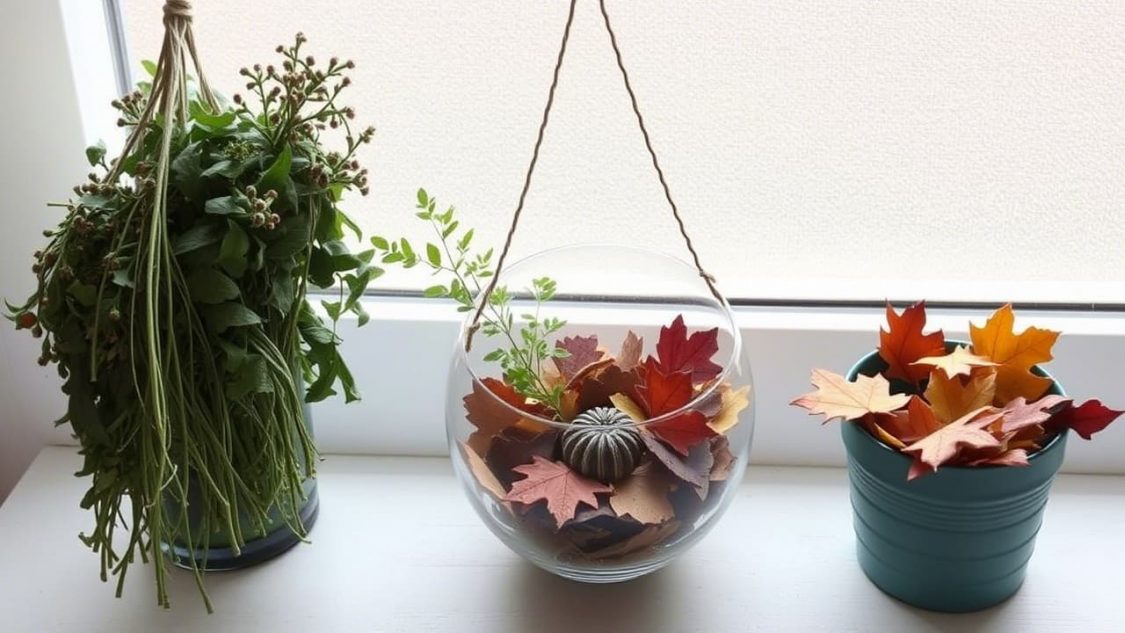
  • Hanging dried herbs in the kitchen every August
  • Playing instrumental music and baking something cinnamon-scented every October
  • Decorating the front porch with found objects and fallen leaves
  • Setting up seasonal stations for my kids (with crafts, books, and decorations related to the time of year)

These rituals become anchors — and for children especially, they become the magic of memory.

You Are the Designer of Atmosphere

At the end of the day, your home doesn’t need to be featured in a magazine. It just needs to feel like you. Not the you that’s perfect — but the you that’s alive, curious, messy, and learning.

Don’t be afraid to bring a little fantasy into your daily life. Host the whimsical party. Use the good plates. Make space for quiet mornings or loud celebrations. Whether you’re creating a themed event like a Hogwarts sorting ceremony or simply rearranging your living room to make space for more connection, you’re doing more than decorating — you’re designing how your life feels.

And that, dear reader, is the true heart of home.

Restoration of Antique Upholstered Furniture: From the Frame to the Upholstery


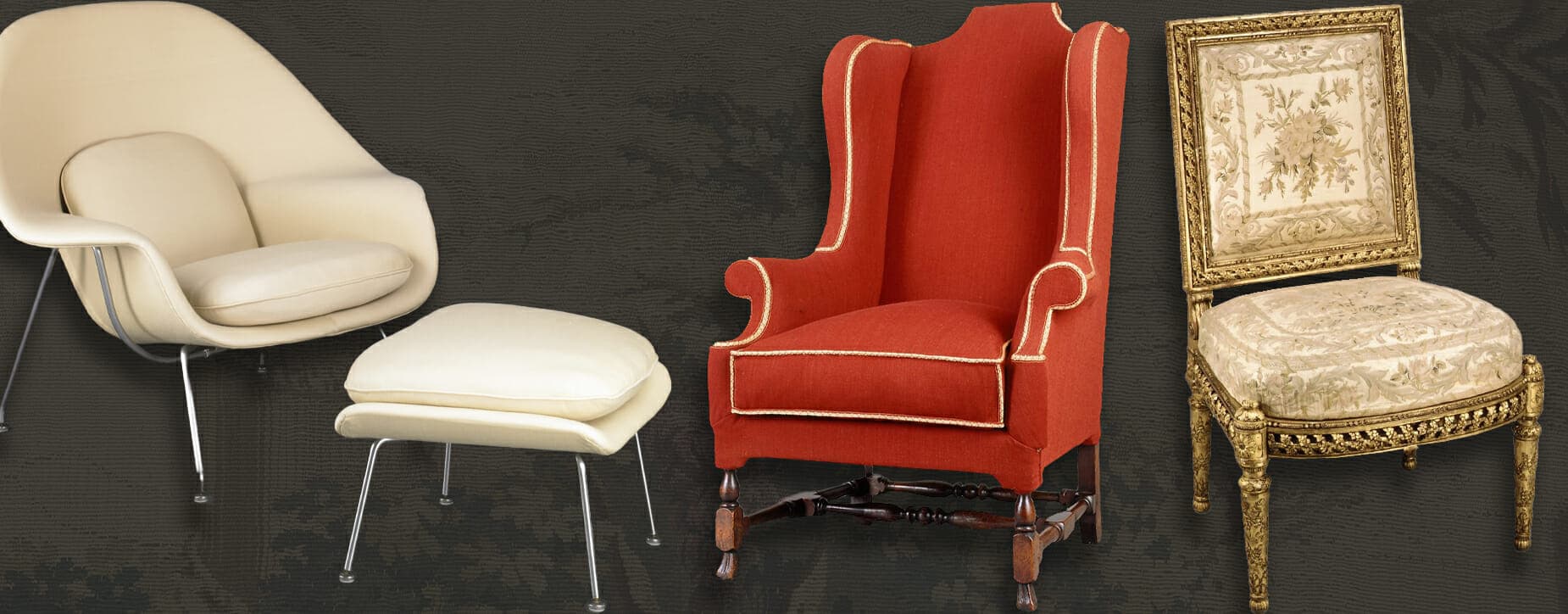
Antique upholstered furniture is not just an interior item but a true work of art that can become the pride of any home. However, over time, such items require attention and restoration to bring back their former grandeur and functionality. The restoration process involves several aspects, from restoring the frame to choosing the appropriate upholstery. In this article, we will take a detailed look at how antique upholstered furniture is restored and what factors need to be considered to avoid damaging such valuable objects.


The Importance of Antique Furniture Restoration


Restoring antique furniture is not only about returning it to its original condition but also about preserving its historical value. Over the years, such pieces have become rarer, and each one is unique. It is important to approach restoration with special care and respect for cultural heritage in order to preserve not only the appearance but also all the historical features of the furniture.
For example, upholstered furniture in the Empire or Art Deco style can significantly enhance the value of an interior if restored in accordance with all architectural and decorative features. In recent years, there has been a growing interest in antique furniture, and online platforms for buying and selling antique items, such as online casinos, also offer items with a touch of the past, attracting those who appreciate style and comfort.
For online casino enthusiasts, we recommend visiting the website – slovenskecasino.net, where gaming platforms with a wide range of games to suit every taste are presented. Here, everyone will find something they enjoy, with games from leading global providers, attractive bonus programs, and instant payouts.


The Restoration of the Frame


One of the most important stages in restoring upholstered furniture is working with the frame. It serves as the foundation and must be strong and stable. Over time, the wood used in the frame can lose its strength, crack, or be affected by insects. At this stage, the restorer must carefully inspect the frame, reinforce it, and replace any damaged parts.
First, the frame is cleaned from the old coating to assess its condition. Then, the connections are reinforced to prevent further damage. In the case of severe damage, the restorer may replace certain parts with new ones while striving to maintain the original appearance. The use of high-quality materials and precision at this stage is key to the durability and stability of the restored furniture.


Restoration of Springs and Fillings


Once the frame has been restored, the next step is working with the fillings and springs. In antique furniture, materials such as horsehair or seaweed were often used. Over time, these fillings lose their shape and resilience, making the furniture uncomfortable to use. Restorers use modern materials such as coconut fiber, latex, or synthetic fillings to restore softness and comfort.
However, it is important not to forget that the use of modern materials should not disrupt the historical appearance of the furniture. For example, when restoring an antique chair in the Rococo or Baroque style, the restorer selects fillings that are as close as possible to the original. Strong and elastic springs, which restore the seat’s shape, are an integral part of this process.


Upholstery: Choosing the Fabric and Its Restoration


Choosing the fabric for upholstery is a crucial step in restoration, directly affecting the furniture’s appearance. Antique furniture was often upholstered with expensive fabrics such as velvet, velour, or wool. During restoration, it is essential to find fabric that closely matches the original or choose a material that will harmonize with the overall style and historical period.
Equally important is restoring the upholstery, which may lose its shape or become worn over time. The restorer removes the old fabric, carefully preserving all decorative elements, and selects new fabric that matches the historical features. At the same time, it is important that the fabric not only looks aesthetically appealing but also be practical, durable, and resistant to wear.


Conclusion


Restoring antique upholstered furniture is not just about returning the former grandeur of the item but also an important step in preserving cultural heritage. Every stage of restoration requires professionalism and attention to detail so that the restored furniture serves for many years without losing its value and beauty. With the right approach, antique furniture can become not only a decoration for the interior but also a source of pride for its owner, who will appreciate every effort put into its restoration.

Tools and Materials for DIY Upholstery Restoration


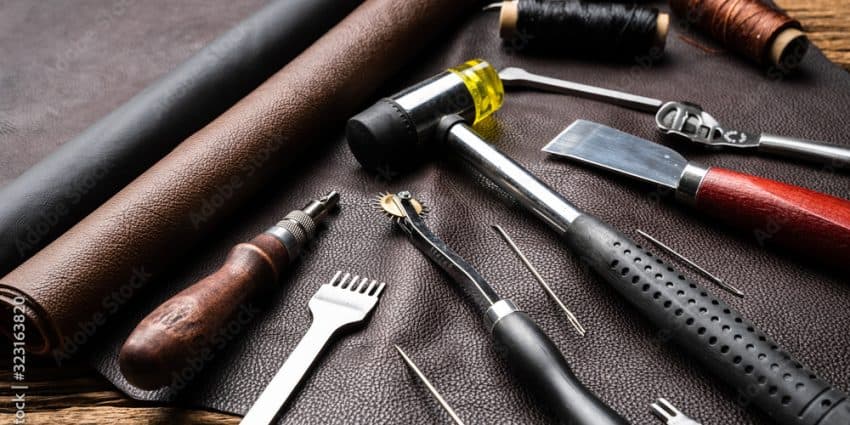
Upholstery restoration is not only a way to bring old furniture back to life but also an opportunity to add uniqueness to your home. Whether it’s an old sofa, armchair, or ottoman, the right tools and materials play a key role in the restoration process. In this article, we will explain what tools and materials will help you restore furniture without the need for professional assistance.


Preparing for Restoration: What to Consider


Before starting the restoration, it is important to assess the condition of the furniture. If the frame is sturdy and only the upholstery or certain details need replacing, DIY restoration can be a feasible task. However, if the damage is more severe, it might be worth consulting specialists. It is important to remember that restoration requires patience and precision. Poorly executed work can diminish the appearance and functionality of the furniture.


Essential Tools for Restoration


Upholstery Knife — one of the main tools used for removing old upholstery and cutting new fabric. The blade should be sharp enough to easily cut through fabrics without damaging the frame.

Stapler (Pneumatic or Mechanical) — necessary for securing the new upholstery. A stapler helps fix the fabric to wood or metal, ensuring a strong attachment.

Hammer and Nails — for working with the frame, especially when it is necessary to replace or reinforce parts of the structure. A soft hammer prevents damage to the wood.

Brush and Vacuum Cleaner — for cleaning the old upholstery before starting the work. Cleaning helps you see the true condition of the material and makes the subsequent tasks easier.

Measuring Tape — necessary for accurately measuring the old upholstery to ensure the new fabric fits perfectly.

Materials for Restoration


Upholstery Fabrics — the choice of fabric for restoration depends on the style of the furniture and its intended use. For armchairs and sofas, durable fabrics such as jacquard, microfiber, or upholstery velvet are suitable. It is important to consider not only the appearance of the fabric but also its durability, as it will undergo significant wear.

Foam or Synthetic Filler — these materials are necessary for renewing the softness of seats and backs. Foam comes in various densities, and the choice depends on how firm or soft you want the seat to be. Synthetic filler is more commonly used for restoring cushions and other soft elements.

Wood Elements — if the restoration involves replacing parts of the frame, you will need wooden slats, which can be worked with using a saw or chisel. Wood screws and dowels are also used for frame repairs.

Wood and Fabric Glue — essential for additional reinforcement of individual parts. This is particularly important when dealing with antique-style furniture or when connecting several elements, such as the frame and armrests.

Metal Fasteners and Hardware — screws, bolts, brackets, and other metal parts are useful for securing and reinforcing furniture parts. These will ensure the durability and reliability of the structure.

The Restoration Process


For successful restoration, it is important to follow several stages carefully. The first step is to remove the old upholstery. This can be a tricky process, as old fabrics are often firmly attached or secured with metal staples. It is important to work carefully with the tools to avoid damaging the frame.
Next, the frame should be cleaned of dust and dirt, and any damages should be checked. If necessary, you can reinforce the frame or replace its components.
After that, the padding needs to be repaired or replaced. At this stage, it is important to select the right foam or synthetic filler to ensure comfort and the desired firmness of the seat. The filler should be dense enough to prevent it from compressing too quickly with use.
Once the frame and padding are ready, the next step is to reupholster. It is important to measure the fabric accurately, considering the allowances for folds and wrinkles. The fabric is secured with a stapler, and for difficult areas, glue can be used.


Conclusion


Upholstery restoration is not only a useful but also a creative process that allows you to breathe new life into old pieces of furniture. The right choice of tools and materials, along with careful attention to each stage of the work, will ensure you achieve great results. Good luck with your restoration, and may your home be filled with comfort and beauty!

How to Decorate Your Home with Antique Furniture for a Vintage Look

There’s something undeniably charming about antique furniture. It tells a story, carries a sense of history, and brings warmth to any home. But how do you incorporate these timeless pieces into a modern living space without making your home feel like a museum? The balance between old and new is key. When done right, antique furniture can add sophistication, character, and a unique aesthetic that’s hard to replicate with modern, mass-produced decor.

Whether you’ve inherited a few heirlooms, stumbled upon a hidden gem at an antique store, or simply love the vintage aesthetic, decorating with antique furniture is an art. But where should you start? Let’s explore how to create a beautifully curated space that blends antique charm with modern comfort.

Choosing the Right Antique Pieces for Your Space

Before diving into decorating, it’s important to choose the right antique pieces that will complement your home rather than overwhelm it. Not every antique fits every space, so a thoughtful selection process is essential.

  • Start with statement pieces – A grand antique dining table, a Victorian armchair, or an ornate mirror can serve as the focal point of a room.
  • Mix and match eras – Don’t feel confined to one historical period; blending styles creates a more eclectic and lived-in feel.
  • Consider functionality – While antiques are beautiful, they should also be practical. Opt for sturdy, well-preserved pieces that fit your daily lifestyle.
  • Look for quality craftsmanship – Hand-carved details, dovetail joints, and solid wood construction are signs of well-made antique furniture.
  • Think about scale – A massive antique wardrobe might be breathtaking, but does it overwhelm your bedroom? Balance is key.

A well-chosen antique piece can set the tone for an entire room. But how do you ensure it doesn’t feel out of place? The answer lies in how you integrate it with modern elements.

Antique Styles and How to Use Them in Modern Homes

Antique StyleBest Use in Home Decor
VictorianElegant sofas, ornate mirrors, rich textiles
Art DecoStatement lighting, geometric patterns, bold colors
Mid-Century ModernSleek chairs, minimalist wooden furniture, clean lines
French ProvincialDistressed wood, soft pastel colors, romantic accents
Rustic FarmhouseSolid wood tables, weathered cabinets, vintage metal fixtures

Blending Antique Furniture with Modern Decor

One of the biggest challenges in decorating with antique furniture is avoiding an outdated or overly formal look. The trick? Contrast and balance. Here’s how:

  • Pair antique furniture with modern lighting – A sleek pendant lamp over a vintage wooden table creates a stunning contrast.
  • Use neutral backgrounds – White or muted walls allow antique pieces to stand out without overwhelming the space.
  • Mix textures – Combine smooth, polished antique wood with modern glass, metal, or soft textiles for an inviting feel.
  • Repurpose old furniture – An antique dresser can double as a TV stand, while a vintage trunk makes a perfect coffee table.
  • Add contemporary artwork – Modern paintings or sculptures alongside antique furniture create an interesting juxtaposition.

The goal isn’t to replicate a past era entirely but to weave elements of history into your everyday life. A single antique item can add warmth and nostalgia to a room filled with contemporary decor, making your space feel curated rather than outdated.

Bringing Timeless Elegance into Your Home

Decorating with antique furniture is about more than just aesthetics—it’s about creating a home with soul. These pieces carry history, craftsmanship, and a sense of permanence in a fast-paced, disposable world. Whether it’s a carved wooden chair passed down through generations or a flea market find that tells a story, antiques have a way of making a house feel like a home.

So, what’s stopping you from incorporating a touch of vintage charm into your space? The beauty of antique furniture lies in its ability to coexist with the new, bridging past and present in a way that’s uniquely yours. Experiment, mix styles, and most importantly—choose pieces that speak to you. After all, a well-loved antique will never go out of style.

FAQ

How can antique furniture make a modern home feel more personal?

Antique furniture adds character and history, making a space feel curated and unique rather than generic.

What’s one common mistake people make when decorating with antiques?

Overcrowding a space with too many antique pieces can make a home feel cluttered rather than stylishly vintage.

How can you modernize an antique furniture piece without ruining its charm?

Simple updates like reupholstering with modern fabric or pairing with contemporary decor can refresh an antique while preserving its essence.

How to Spot Fake Antique Furniture: Expert Tips for Buyers

Antique furniture carries a sense of history, craftsmanship, and timeless elegance. But in today’s market, where demand is high, reproductions and fakes are everywhere. How can you tell if a piece is genuinely antique or just a clever imitation? Whether you’re searching for unique treasures at flea markets, estate sales, or online platforms like https://www.tokinima.gr/, knowing how to identify real antique furniture is crucial. A true antique isn’t just about age—it’s about authenticity, construction, and historical accuracy. Let’s explore expert tips to help you make informed choices and avoid costly mistakes.

Key Signs of Authentic Antique Furniture

Spotting a fake antique requires a sharp eye and attention to detail. Many reproductions look convincing at first glance, but they often reveal their true nature upon closer inspection. Here’s what to look for:

  • Wood Type and Aging Patterns – Authentic antique furniture is often made from solid wood like mahogany, walnut, or oak. Over time, wood naturally expands, contracts, and develops a unique patina. If a piece looks too uniform, with no signs of aging, it might be a reproduction.
  • Joinery Techniques – Older furniture was crafted using traditional methods like dovetail joints, mortise-and-tenon, and wooden pegs. Modern reproductions often use nails, glue, or staples, which are clear indicators of a fake.
  • Hardware and Fasteners – Genuine antique furniture typically has hand-forged nails and screws with irregular shapes, as opposed to the perfectly machined hardware found in modern reproductions.
  • Signs of Wear and Use – Real antiques will show signs of natural wear in areas like drawer runners, chair arms, and tabletop edges. If these areas look artificially distressed or too perfect, it’s likely a fake.
  • Hand-Carved vs. Machine-Made – Authentic antique furniture often features hand-carved details, which may be slightly asymmetrical. Reproductions, made by machines, tend to have overly precise, uniform carvings.

Key Differences Between Authentic and Fake Antiques

FeatureGenuine AntiqueFake/Reproduction
Wood AgingNatural patina, slight imperfectionsToo uniform, artificially aged
JoineryDovetail, mortise-and-tenon, wooden pegsGlue, nails, or staples
HardwareHand-forged nails, aged metalPerfectly machined, shiny hardware
CarvingsSlightly asymmetrical, hand-carved detailsMachine-made, too perfect
Signs of UseWear in natural areas (edges, corners)Overly distressed or pristine

Red Flags That Indicate a Fake Antique

Even with the right knowledge, spotting a fake can be tricky. Some pieces are so well-crafted that even experienced buyers need to inspect them carefully. Here are some common red flags that suggest a piece is not as old as it seems:

  • Too Much “Perfect” Wear – If a piece looks evenly distressed in places that wouldn’t naturally experience wear, it might have been artificially aged.
  • Suspiciously Low Prices – If a deal seems too good to be true, it probably is. Genuine antiques hold their value, so extreme bargains should raise suspicion.
  • Overuse of Veneer – While some antiques do feature veneers, excessive or cheaply applied veneer can indicate a reproduction.
  • Mixed Hardware – If drawer handles, hinges, or locks don’t match in style or aging, they may have been replaced to create a false antique look.
  • Lack of Provenance – True antique sellers often provide details about an item’s history. If the seller is vague or avoids answering questions, be cautious.

How to Make an Informed Purchase

When buying antique furniture, patience and research are your best tools. Don’t rush into a purchase—take your time to inspect the piece carefully. If possible, bring a flashlight and magnifying glass to examine the details. Here are some additional tips to ensure authenticity:

  • Ask for Documentation – Sellers who deal in authentic antiques should have some knowledge of the item’s origin and previous ownership.
  • Check for Consistency – Compare all parts of the furniture. A genuine antique should have uniform aging; if one section looks older than the rest, it might be a mix of real and fake elements.
  • Get a Second Opinion – If you’re unsure, consult an expert or appraiser before buying. A professional eye can save you from costly mistakes.
  • Trust Your Instincts – If something feels off—whether it’s the weight, the material, or the seller’s explanation—it’s best to walk away.

The Art of Appreciating True Antiques

Buying antique furniture isn’t just about acquiring beautiful objects—it’s about preserving history, craftsmanship, and authenticity. A genuine antique carries a story, a sense of past generations, and an irreplaceable charm that modern reproductions can never truly replicate. When you find a real antique, you’re not just purchasing furniture; you’re bringing a piece of history into your home.

So, next time you browse an antique shop or online marketplace, take your time, ask the right questions, and trust your instincts. The best pieces are the ones that stand the test of time—not just in durability, but in authenticity. Will you be the next caretaker of a historical masterpiece?

FAQ

Why do fake antiques sometimes look more “antique” than real ones?

Because they are intentionally distressed to create an exaggerated aged look, while real antiques age naturally over time.

What is the best way to determine if a wooden chair is truly antique?

Check the joinery—hand-cut dovetails and natural wear patterns indicate authenticity, while glue and staples suggest a reproduction.

How can the smell of furniture help in identifying antiques?

Genuine antiques often have a distinct old-wood smell due to years of natural aging, while reproductions might smell like fresh varnish or glue.

Elegance and Comfort: How Antique Furniture Complements Women’s Medical Clothing

In the world of healthcare facilities, where comfort and professionalism are key, creating a unique and inviting environment can have a significant impact on customer perception and satisfaction. One way to highlight style and create a cozy space is to use antique furniture in combination with women’s medical clothing. In this article we will look at how combining elegant antique furniture and modern medical clothing can create a unique and comfortable interior.

1. Combination of History and Modernity

Antique furniture, with its unique character and history, brings a touch of luxury and sophistication to the interiors of medical institutions. While medical clothing, including women’s clothing, is modern and functional, combining the two can create an interesting contrast that attracts attention and brings personality to the space. Antique chairs, sofas and tables can serve as an excellent backdrop for medical clothing, highlighting its modern style against a classic design.

2. Creating a Cozy Interior

Coziness and comfort in healthcare settings are essential to creating a positive client experience. Antique furniture, known for its quality and comfort, can be a great addition to a space in which female healthcare professionals will spend a significant amount of time. Elegant armchairs and sofas in waiting or consultation areas will create an atmosphere of relaxation and calm, while modern medical gowns and uniforms will look stylish and professional against such furniture.

3. Aesthetics and Professionalism

Women’s medical clothing, made from modern fabrics and in accordance with the latest trends, will look especially attractive in an interior decorated with antique furniture. Classic design elements such as wood carvings, luxurious fabrics and unique antique shapes highlight the elegance of medical clothing and create a harmonious combination of style and functionality. It also helps create a unique image of a medical institution, standing out from competitors.

4. Visual Appeal and Marketing

Interiors decorated with antique furniture often look more prestigious and memorable. This can be used in marketing materials such as photographs and videos to highlight the exclusivity and style of the healthcare facility. Women’s medical clothing, presented in such an interior, will look more attractive and professional, which can attract more customers and increase the loyalty of existing ones.

5. Creating a Personal Approach

The use of antique furniture combined with medical clothing creates a unique atmosphere that reflects a personal touch and attention to detail. This can be an important element in creating a positive experience for customers who feel valued and respected. Individually selected interior elements and stylish medical clothing will create a holistic and professional image.

6. Synergy of Comfort and Elegance

Antique furniture not only has aesthetic value, but also exceptional comfort, which can significantly improve the overall level of comfort in a healthcare facility. Soft chairs and sofas upholstered in expensive fabrics allow patients and their loved ones to relax in a cozy environment, while stylish women’s medical clothing will blend harmoniously with this atmosphere. Professionals working in such interiors will feel more confident and comfortable, which will have a positive impact on their work and relationships with patients.

7. Historical Context and Culture

Using antique furniture can also tell a story and create cultural context that enhances the healthcare facility experience. It is important that interior elements, such as antique cabinets, secretaries or chests of drawers, fit harmoniously into the overall concept and support the style of medical clothing. This allows you to create a space that is not only visually appealing, but also conveys a sense of respect for tradition and culture, which can be especially important for institutions that specialize in certain medical specialties or operate in historical sites.

8. Personalized Solutions

For maximum effect, it is important to take into account the interior features and personal preferences. A professional designer can help integrate antique elements into the existing design in a way that complements the hospital’s personality and philosophy. Women’s medical clothing should also be chosen to match the style and color of antique furniture to create a harmonious visual effect.

9. Practical Aspects and Sustainability

When choosing antique furniture for medical institutions, it is important to consider the practical side of the issue. Furniture should not only be aesthetically attractive, but also easy to use. Professional restorers can ensure the safety of antique items, making them more resistant to stress and external influences. This also includes choosing fabrics and materials that are easy to clean and maintain while maintaining an elegant look.

10. Impact on the Work Atmosphere

Creating a comfortable and stylish interior can have a significant impact on the work environment. Antique furniture that complements women’s medical clothing can help create a more relaxed and friendly environment, which helps improve interactions between patients and medical staff. By working in such an environment, healthcare workers will feel more motivated and satisfied with their work.

Ensuring the comfort of medical clothing for women is important for several reasons:

  • Increased Productivity: Comfortable clothing helps healthcare workers focus on their work without being distracted by discomfort, allowing them to perform tasks more efficiently.
  • Preventative Health: Comfortable medical clothing reduces the risk of health problems such as skin irritation or poor posture that can occur due to ill-fitting or poor quality clothing.
  • Confidence and Professionalism: Proper medical attire helps female healthcare professionals look professional and feel confident, which has a positive impact on their interactions with patients.
  • Improved Patient Experience: The comfortable and stylish appearance of healthcare staff creates a positive impression on patients, improving the overall experience of visiting a healthcare facility.

The Importance of Comfort: 

Ensuring the comfort of medical clothing, such as uniform scrubs for women, plays a key role in a professional environment. Comfortable and well-designed medical gowns help female healthcare professionals avoid discomfort and health problems, allowing them to focus on their duties. Dressing comfortably not only helps you work more efficiently, but also improves your self-confidence and professionalism. In addition, stylish and functional uniform scrubs for women create a positive impression on patients, improving the overall experience of a visit to a healthcare facility.

Conclusion: 

Integrating antique furniture with women’s medical clothing represents a unique approach to creating a cozy and stylish interior for medical facilities. The elegance and historical value of antique items, combined with the modern design and comfort of medical clothing, help create an atmosphere in which patients and medical staff feel comfortable and professional. This approach not only improves the overall level of convenience and satisfaction, but also contributes to the creation of a unique image of the medical institution. Investing in this type of design emphasizes attention to detail, enhances the work environment and attracts the attention of clients, making the healthcare facility not only a place of treatment, but also a welcoming space that reflects style and respect for each visitor.